The short answer is irritation. The long answer involves forty years of obsession, a comic shop, dark rooms, martial arts, and a lot of miles run in the rain pretending to be an endurance athlete.
I grew up on the 1980s sci-fi boom. I saw Aliens sixteen times in the cinema. I still have the T-shirts. I lived in the rain-slicked streets of Blade Runner, the sandy isolation of Mad Max, and the cynical, low-budget corridors of Blake’s 7. That grit never left me. But lately, the genre I love has started to feel… predictable.
We all know the template. The farm boy finds the sword. The reluctant ex-soldier is called back for “one last job.” The hero suffers exactly enough to make the victory feel earned, and then the credits roll. Real life is messier. Real survival doesn’t have a synth-wave soundtrack.
I can tell you from personal experience: resilience isn’t built in a montage. It’s dirty, uncomfortable, and usually painful. There’s no glory waiting on the other side. What’s there instead is something quieter and worth considerably more: Knowing. Knowing who you are. Knowing exactly how far you can go. That knowledge is priceless—and it is absolutely not available in a three-minute training sequence set to an 80s power ballad.
The Logistics of a Broken Sky
One dark winter evening, I fell into a logistical rabbit hole: How hard is it, actually, to occupy a planet?
Even a Star Destroyer—a mile of grey steel—only carries about 9,000 Stormtroopers. Scale that up to a five-mile long Super Star Destroyer, and it still sounds massive right up until you try to hold a planet of eight billion uncooperative people. You take out a few cities, sure. You show your might. But then the supply lines break.
Humans are the most adaptive apex predators in history. We don’t just dig in; we get ugly. We are a resilient bunch, and we generally refuse to roll over and die.
I found myself going deeper. Forget the “Chosen One.” What is the actual cost of survival? Not the speech. The actual cost—paid in the specific currency of things you can never take back.
This Is Not a Space Opera
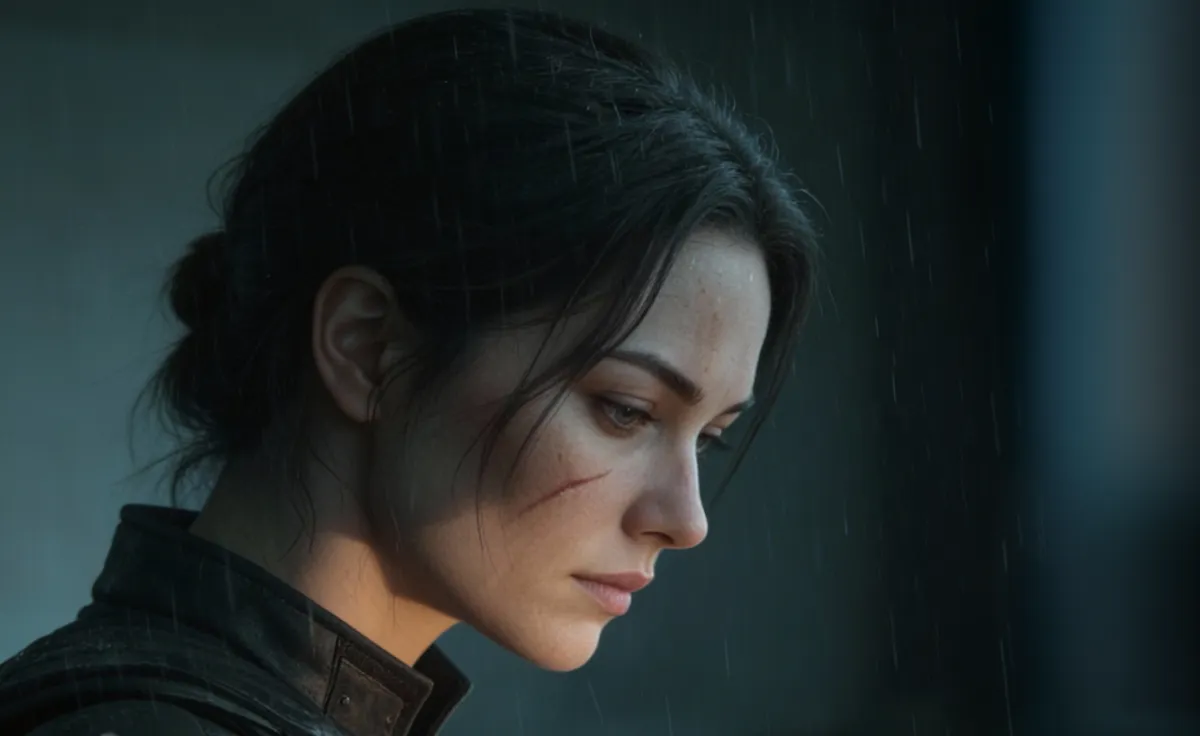
I wanted to write the story I wanted to read. I didn’t want a military genius or a girl born with magic in her veins. I wanted to answer one question: What kind of person do you become if you survive the wrong things for too long?
The story begins in Milton Keynes. Not London, not New York. Just an ordinary girl on an ordinary morning in a town that people argue about whether it’s even a city. When the sky breaks, her world ends.
Twenty-five years later, some survivors say Mara is a legend. Others say she’s a monster who burned worlds.
The thing is, Mara is whatever you say she is. In Book One: Retribution, she makes a decision. It isn’t a villain’s decision; she isn’t cackling, she isn’t broken, she isn’t even angry. She is completely calm. And that calm is the most frightening thing in the book, because by that point, you’ll understand exactly how she got there. You’ll know—if you’re honest with yourself—that you might have made the same call.
The Solarii Ecosystem
This isn’t just a book launch; it’s an invitation to watch the world end and see what crawls out of the ashes.
- The Free Tier: You’ll get these “Author’s Desk” updates and world teasers.
- Tier 1 (Recruit): Lore drops and early access to the chapters where the sky first breaks.
- Tier 2 (Operative): Access to Book 1.5: Recon, where we see what happened in the gaps of the timeline.
Mara isn’t a hero. She is simply what happens when you refuse to die. This story does not flinch from what that costs her—or what she costs everyone else.
Welcome to the Ascension.

About Chris James
Chris James is the creator of Solarii Ascension, a sci-fi series built on survival, grit, and the things people become when the world burns down around them. He writes somewhere between endurance mindset, design instinct, and a refusal to do anything the easy way.