
We’ve all met them in our favourite science-fiction stories and movies. Those heroes for whom survival looks suspiciously like destiny. The right person reaches the right control panel at the right moment, presses the least reassuring button and discovers that history had been waiting for them all along. Move over King Arthur!
Solarii Ascension takes a less comforting view. Preparedness matters. Experience matters. So do endurance, judgement, training and the ability to act while everyone else is still debating the shape of the emergency. None of these qualities makes a person chosen or ‘special’. They merely make that person useful, which is not always a reward.
This distinction sits near the heart of Rebirth, Book 0 of the series. After the Burn, Mara survives a devastated Milton Keynes. Later, she becomes a key Solarii asset aboard Retribution, a captured Astarii ship. That description contains a whole vocabulary of systems: asset, captured, ship, survival. Each word sounds clean and operational. But think of your own experience and tell me if you think human lives are ever this ‘clean’?
The trouble with being prepared
Preparedness is often treated as an uncomplicated virtue. Store supplies. Learn procedures. Know the exits. Keep calm. Try not to be the person who needs three attempts to open the emergency hatch.
Maybe personal experience—and a possibly unhealthy enthusiasm for testing things—has made me biased, but I believe real preparedness changes the person doing the preparing. It encourages attention to risk, and sustained attention to risk can narrow the world. A survivor learns which sounds matter, which promises are unreliable and which decisions cannot be postponed. Those lessons may preserve life while making ordinary life harder to recognise.
Mara’s north star captures that cost: she fought monsters for twenty-five years; the hardest one to face was the woman she became. The line is not an invitation to divide her neatly into victim and weapon, or past self and present self. It points instead to accumulation. Survival leaves evidence. Some of it is visible. Some appears only when the immediate danger has passed and there is finally time to ask what survival required.
Useful to whom?
Calling someone an asset is efficient, although these days also sounds terribly ‘corporate’. It is also revealing. The term measures a person by function: what they know, what they can endure, where they can be deployed and what result they might produce. Institutions favour such language because it removes awkward variables such as grief, conscience and the possibility that the asset may have opinions—and that those opinions may not align neatly with the cause, the orders or either.
That does not make every institution malicious. It makes institutions institutional. They reduce complexity so that decisions can be made at scale. The moral problem begins when the reduction is mistaken for the whole truth.
For Mara, becoming useful is therefore not a straightforward ascent. Usefulness can provide purpose, access and a place within a larger effort. It can also become another form of confinement. If a person is valued chiefly for surviving the impossible, there is little incentive for anyone to stop giving them impossible things to survive.
The invasion story
The Astarii complicate the operational picture before anyone reaches for a tactical display. Their arrival is (of course) misread as an invasion.
That misunderstanding matters because institutions do not respond only to events. They respond to the stories they tell about events. A returning people can become an invading force through framing, fear and incomplete knowledge. Once that account hardens, every action is interpreted as supporting evidence. Caution looks hostile. Confusion looks deceptive. Preparation looks like mobilisation.
The machinery of conflict is often built from sensible decisions made inside incompatible narratives. Nobody needs to wake up and choose catastrophe. They need only to want to protect their own people from the version of the other side they have learned to expect.
This gives the series its grounded tension. Vast ships and civilisational shocks still depend on recognisably human habits: naming, sorting, defending and mistaking confidence for understanding. Advanced technology does not cure those habits. It gives them better equipment.
A field guide for reading
For newcomers approaching Rebirth, the useful questions are not limited to who possesses the greater force. The sharper questions concern interpretation and cost:
- Who decides what counts as a threat?
- What does an institution omit when it explains itself?
- How much does the ‘every day’ person know about the choices made on their behalf?
- When does competence become an obligation?
- How much of an identity can be built around surviving?
- What happens when preparedness outlives the emergency that shaped it?
Existing readers may find these questions worth carrying back into familiar scenes. A decision can be tactically sound and personally ruinous. A label can be accurate in one narrow sense while concealing everything that matters. A survivor can be formidable without being free.
No chosen ones required
Perhaps I’ve missed the point—maybe it’s why some countries still have kings and queens—but to my mind, stories that give their protagonist an inherited destiny also come with a nice soft, cosy jacket of moral insulation. If someone was always meant to carry the burden, the burden can seem almost benevolent. Preparedness offers no such excuse. It asks who trained, who adapted, who was used and who paid.
I’ll admit, that is a harsher framework, but also a more human one. Mara’s survival does not need cosmic approval to matter. Her usefulness does not erase her personhood. And the stories told by powerful institutions remain stories, however impressive the briefing room.
In Solarii Ascension, readiness may keep someone alive. The more difficult operation is deciding what that life is allowed to become…
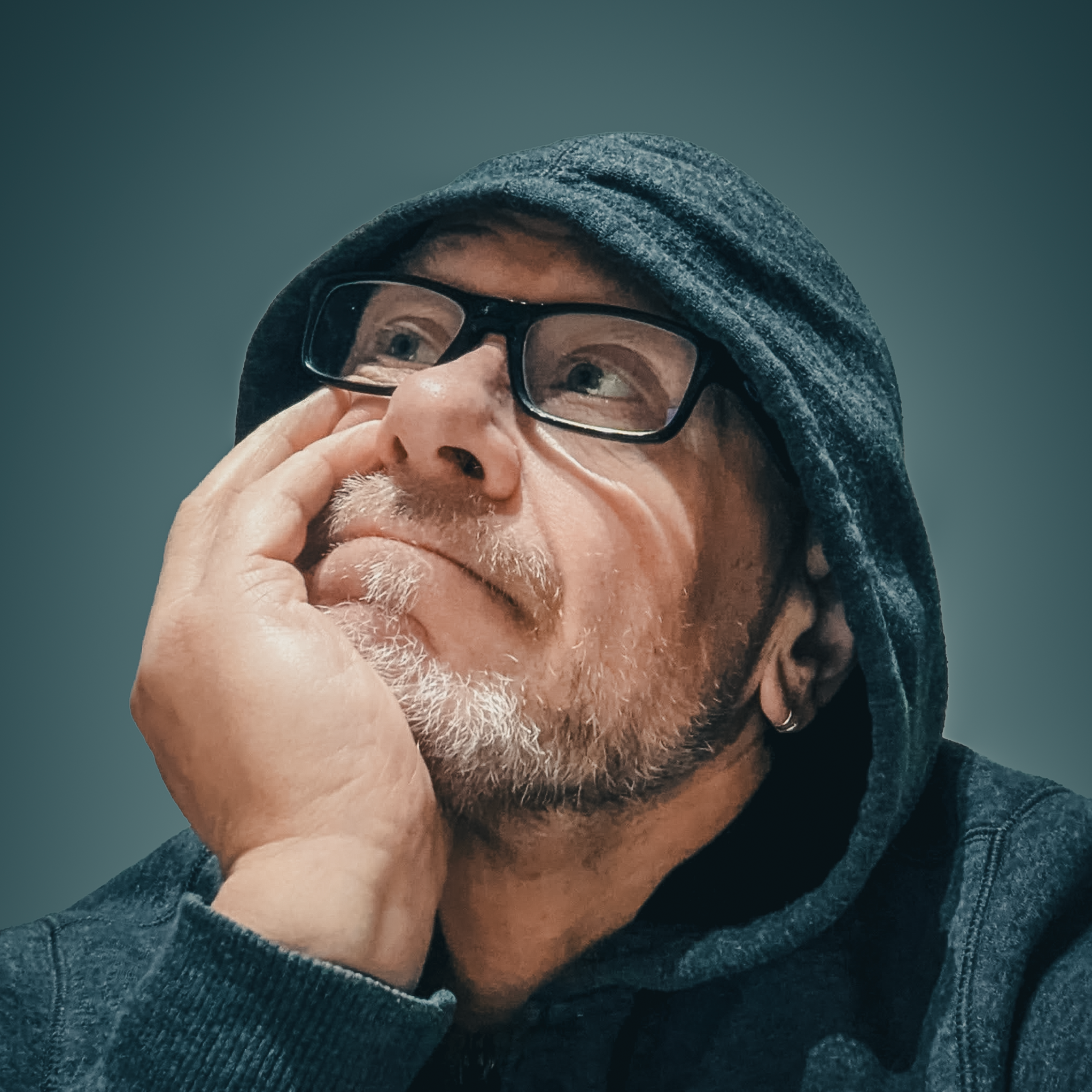
About Chris James
Chris James is the author of Solarii Ascension, a science-fiction series about survival, preparedness and the people we become when the world burns down around us. He writes somewhere between endurance, practical experience and a possibly unhealthy enthusiasm for testing things - usually on himself.